
Mastering Sprinting Technique: Su Bingtian’s Biomechanical Breakdown for Speed
Jan 16, 2026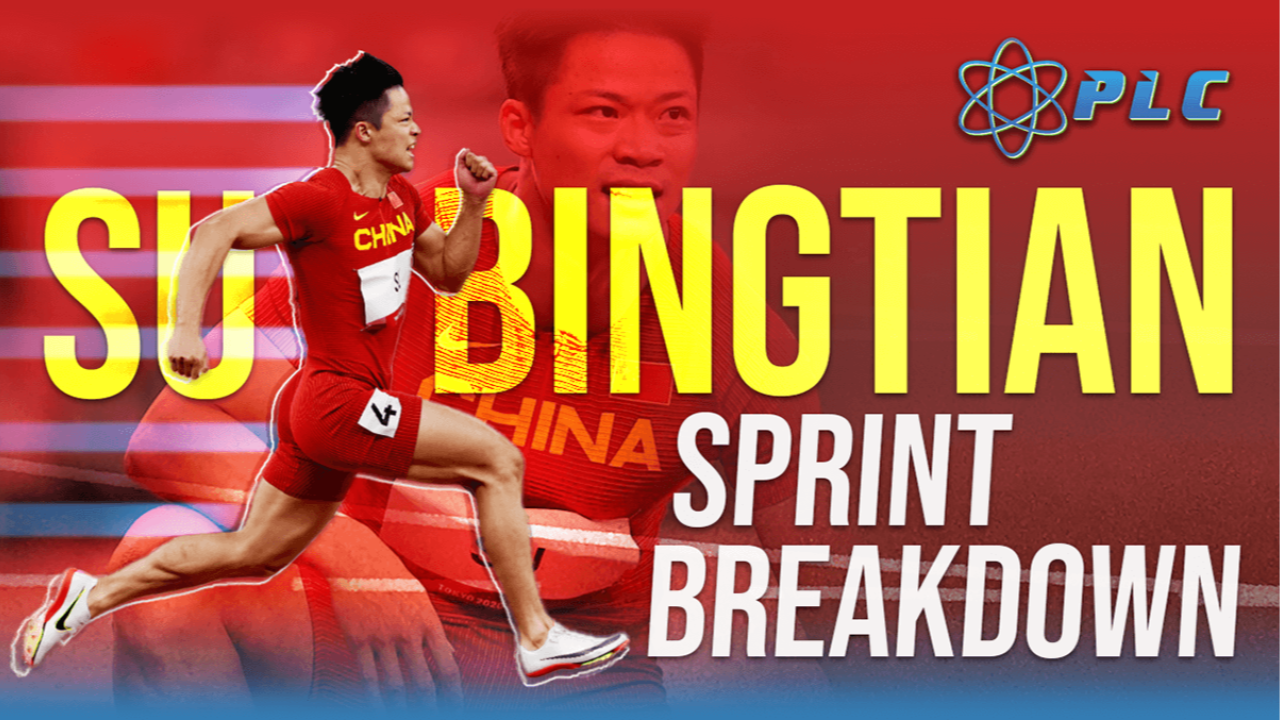
Introduction to Sprinting Technique Analysis
Sprinters constantly seek ways to improve their speed and efficiency on the track. Analyzing elite athletes offers valuable insights into the mechanics that make fast running possible. Today, we break down the sprinting technique of Su Bingtian, an athlete known for his exceptional turnover rate and acceleration phase. With expertise from Morey Croson and the Performance Lab of California, this detailed analysis reveals key biomechanical and functional aspects that can help sprinters of all levels enhance their performance.

Proper body position and running form are foundational elements of sprinting technique, directly influencing speed, efficiency, and injury prevention. Proper running form reduces the risk of injury and makes running more efficient.
Physical Benefits of Sprinting
Sprinting is more than just a test of raw speed—it’s a powerful tool for enhancing overall athleticism. When you incorporate speed training into your routine, you unlock a range of physical benefits that go beyond the track. Sprinting at a slower pace can help build endurance, allowing your body to adapt to sustained efforts and improving your capacity for longer distances. On the other hand, pushing yourself to maximum speed develops explosive power, which translates to better performance in any sport.
Proper form is essential in sprinting, as it ensures efficient energy transfer and minimizes the risk of injury. By focusing on sprinting form during speed workouts, you can improve your running mechanics and make every stride count. Speed endurance is another key benefit—regularly performing hill sprints and interval runs challenges your cardiovascular system and muscles, helping you maintain a faster pace for longer periods. Whether you’re aiming to set a personal record or simply want to move with more power and efficiency, the physical benefits of sprinting are undeniable.
Understanding Turnover Rate and Its Importance
What Is Turnover Rate?
Turnover rate in sprinting refers to how quickly a runner cycles their legs while maintaining speed. It is a critical factor for sprinting success because faster turnover means less ground contact time and more propulsion. Minimizing the time your foot hits the ground is crucial for maximizing speed and efficiency, as proper foot placement and reduced ground contact duration directly improve sprinting technique.
Why Su’s Turnover Stands Out
Su’s sprinting showcases a remarkably fast turnover rate, which allows him to minimize the time his feet spend on the ground. Proper foot strike during each step is essential for maximizing efficiency and reducing injury risk, as landing with a midfoot strike can improve balance and decrease joint strain. This rapid leg cycling is essential for achieving and maintaining high speeds over short distances.
The Acceleration Phase: Su’s Explosive Start
The Role of Height and Biomechanics
Standing at 5’6”, Su’s height influences his sprint mechanics positively. His spine angle during the acceleration phase is biomechanically advantageous, closer to a neutral position compared to taller sprinters. This posture helps optimize power output and speed generation right at the start. During intense efforts, the body produces lactate, and efficient conversion of lactate into energy is crucial for maintaining sprinting performance. Building your lactate threshold can help you run faster for longer periods.
Quick First Step and Foot Position
One crucial aspect of Su’s acceleration is his ability to get the first step down quickly. Interestingly, his foot placement involves slight external rotation or toe turnout, a common trait among elite sprinters, which aids stability and propulsion. Avoiding heel striking is also important, as landing on the heel can reduce running efficiency and increase energy loss, while a midfoot strike helps maintain optimal propulsion.
Knee Flexion and Extension Cycle
Su quickly reaches an effective leg cycling motion within the first few steps. He achieves optimal knee flexion and extension, pushing forcefully down on the ground to maximize acceleration. Effective force application—applying maximum vertical force to the ground through proper posture and explosive leg drive—is crucial for maximizing acceleration and sprinting performance. Compared to taller sprinters who may have a delayed knee extension, Su’s rapid leg cycling enables him to reach top speed faster.
Achieving Maximum Speed: Coordination of Flexibility and Power
Functional Flexibility in Sprinting
Su demonstrates impressive functional quad flexibility, allowing him to drive his heel to his buttocks during the sprint cycle. This flexibility is key to efficient leg recovery and contributes to his ability to maintain high speed. Functional flexibility, combined with proper force application, enables longer strides without overreaching, supporting optimal sprinting technique and reducing the risk of injury.
Vertical Force and Ground Contact
A critical factor in sprinting is the ability to generate vertical force against the ground. Su naturally pushes upward, creating verticality in his movement that helps him rebound quickly and drive the opposite knee forward efficiently. Improper force application or poor posture can waste energy, making sprinting technique less efficient and reducing overall performance.

Key Biomechanical Features of Su’s Sprinting Form
Optimal Foot Placement at Landing
In sprinting, proper foot landing mechanics are vital. Su’s foot lands nearly underneath his ear, with his knee and foot aligned at a near 90-degree angle. This alignment facilitates balance and efficient force transfer. Understanding and optimizing your running gait can further improve foot placement and running efficiency.
Hip Positioning and Core Engagement
Su’s hips remain slightly behind his foot at landing, a biomechanical feature that supports powerful propulsion. However, his slight forward head posture suggests room for improved core engagement, which could further enhance his sprinting efficiency.
Foot Stabilization and Balance
Elite sprinters maintain excellent ankle and foot stabilization upon landing. This stability prevents energy loss and supports sustained speed. Su’s form exemplifies this, contributing to his consistent performance.
Common Sprinting Challenges and How Su Overcomes Them
Overextension on First Step
Some sprinters tend to overextend on their first step, causing delayed ground contact and disrupting momentum. Su avoids this by executing quick, compact steps, enabling smoother acceleration.
Lack of Vertical Force Generation
Many runners struggle to push vertically off the ground, which limits stride length and speed. Su’s natural vertical push during the sprint cycle enhances his stride and overall velocity.
Insufficient Flexibility Limiting Leg Recovery
Without sufficient quad and hip flexibility, sprinters cannot cycle their legs efficiently. Su’s functional flexibility allows him to recover his legs rapidly, maintaining turnover without sacrificing power.
Types of Workouts for Sprinters
To become a faster, more efficient sprinter, it’s important to include a variety of workouts in your training plan. Sprinting form is the foundation of speed, and workouts like tempo runs and interval runs are excellent for building speed endurance and refining your technique. Incorporating external forces, such as running against the wind or up an incline, can add intensity to your sprint training and challenge your body in new ways.
Fast-twitch muscle fibers are crucial for explosive speed, and plyometric exercises—like box jumps—are designed to activate and strengthen these fibers. A well-structured training plan should balance sprint training with strength and power development, ensuring that your muscle fibers are primed for peak performance. Whether you’re training for track and field, football, or soccer, these workouts can help you improve speed, stride frequency, and overall athletic ability. By mixing tempo runs, interval runs, and plyometric exercises, you can target every aspect of sprinting performance and prepare your body for the demands of competition.
Practical Tips for Improving Your Sprinting Technique
Focus on Short Ground Contact Time
Aim to minimize the time your foot spends on the ground during each stride. Quick, explosive steps, like Su’s, help improve turnover rate and speed.
Enhance Functional Flexibility
Incorporate dynamic stretching and mobility drills targeting the quads and hips. Functional flexibility enables better leg recovery and reduces injury risk.
Develop Vertical Force Production
Work on plyometric exercises and strength training that emphasize pushing upward off the ground. Vertical force is essential for maximizing stride length and speed.
Maintain Proper Foot and Body Alignment
Practice landing with your foot beneath your ear and keep your knee and ankle aligned at 90 degrees. Engage your core and maintain a neutral spine to optimize biomechanics.
Managing Fatigue in Sprint Training
Effective sprint training isn’t just about pushing your limits—it’s also about managing fatigue to maximize results. Speed workouts like hill sprints and interval runs are high intensity and place significant demands on your muscles and nervous system. To avoid muscle fatigue and overuse injuries, it’s essential to schedule proper rest and recovery time into your training plan.
Plyometric exercises, such as box jumps, are excellent for building explosive power, but they also require adequate recovery to ensure your muscles can adapt and grow stronger. Incorporating strength exercises, especially those targeting the upper body, can improve your running economy and help you maintain good form even as fatigue sets in. By balancing hard workouts with proper rest, you give your body the chance to repair and come back stronger for your next race.
A thoughtful approach to sprint training—one that includes speed workouts, interval runs, and strength training—will help you achieve a faster pace while reducing the risk of overuse injuries. Remember, recovery is just as important as the work itself. With the right balance, you’ll be able to improve your speed, build endurance, and perform at your best when it matters most.
How Professional Sprint Analysis Can Elevate Your Performance
Personalized Video Breakdown Services
Experts like Morey Croson offer detailed video breakdowns of your sprinting form. These evaluations identify areas for improvement and provide tailored exercises to enhance speed and efficiency.
Value of Professional Coaching
Investing in professional analysis, even at a reasonable price point, can shave crucial milliseconds off your sprint times. Personalized feedback accelerates progress and ensures you’re training effectively.
Resources and Training Materials
Beyond personalized coaching, accessing sprinting ebooks, membership programs, and instructional videos can deepen your understanding and support consistent improvement.
Conclusion: Learning from Su Bingtian’s Sprinting Mastery
Su Bingtian exemplifies how biomechanical efficiency, functional flexibility, and rapid leg turnover combine to create elite sprinting performance. His acceleration phase, foot placement, and body mechanics offer valuable lessons for sprinters aiming to boost their speed. By focusing on key concepts such as minimizing ground contact time, improving vertical force generation, and maintaining proper alignment, athletes can enhance their sprinting capabilities significantly.
For those serious about sprinting improvement, professional breakdowns and coaching services provide crucial insights and personalized guidance. Embracing these strategies and tools will help unlock your sprinting potential and lead to faster, more powerful runs.
Stay connected with news and updates!
Join our mailing list to receive the latest news and updates from our team.
Don't worry, your information will not be shared.
We hate SPAM. We will never sell your information, for any reason.
